How Reverse Osmosis Works — The Simple Explanation
Your tap water contains dissolved contaminants that cannot be seen, tasted or removed by simple filtration. Chloramines, fluoride, nitrates, heavy metals and microplastics all pass straight through a standard carbon block filter because they are dissolved at a molecular level.
A reverse osmosis membrane solves this. Water is pushed under pressure through a semi-permeable membrane with pores so small (0.0001 microns) that dissolved contaminants simply cannot pass through. The contaminants are concentrated in a small stream of wastewater that is flushed away, while the clean permeate water is stored in a pressurised tank under your sink. When you open your filtered tap, clean water is delivered immediately from the tank.
The pre-filter stages (sediment and carbon) ahead of the RO membrane remove large particles and chlorine that would otherwise shorten the membrane's lifespan. The post-filter polish stage removes any residual taste from the pressurised tank storage. Each stage plays a specific role in delivering genuinely pure drinking water.
Why RO Is the Right Choice for Sydney Families
Sydney Water treats the city's supply with chloramines — a more persistent disinfectant than standard chlorine. Chloramines do not evaporate from water when you leave it out overnight (as chlorine does) and require a reverse osmosis membrane or specific activated carbon media to remove effectively. Standard under-sink carbon block filters reduce chloramine levels but do not remove them entirely.
For households where water quality is a priority — families with young children, people who want to stop buying bottled water, health-conscious households — reverse osmosis is the definitive solution. The 5-stage Pure Plus+ system at $840 delivers comprehensive filtration that a carbon filter simply cannot match.
Reverse Osmosis Installation in Sydney Apartments
One of the most common misconceptions about reverse osmosis systems is that they require significant plumbing work or building approval. In most Sydney apartments, an RO system installs under the kitchen sink in approximately 2 hours with no strata approval required and no major plumbing changes. Jean-Paul connects the system to the cold water supply under your sink — the same connection point used for an under-sink filter — and adds a dedicated filtered water tap to your sink bench.
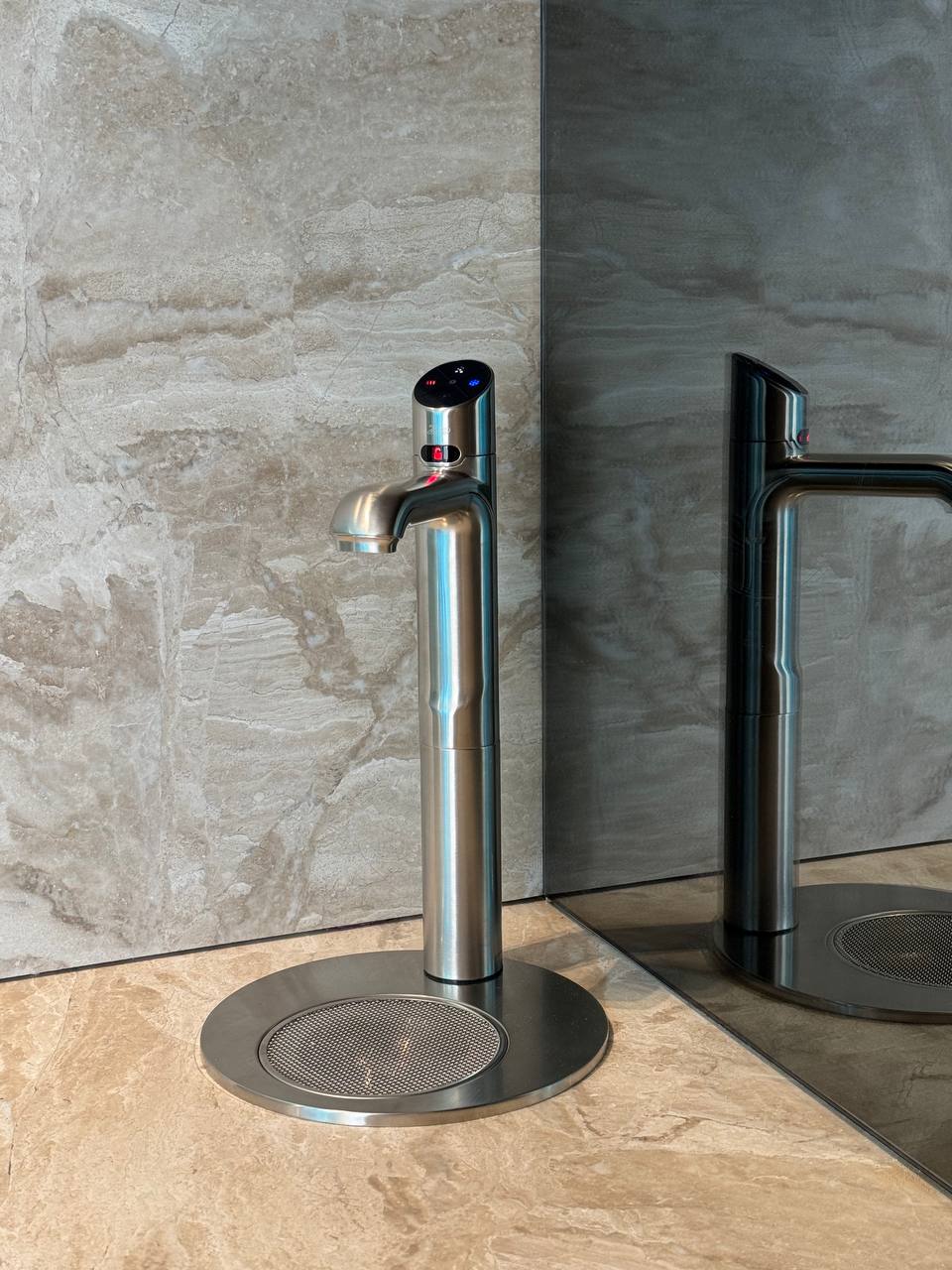
The only external evidence that you have an RO system is the sleek filtered water tap alongside your regular kitchen taps. Everything else is out of sight under the sink. Jean-Paul has installed in apartments of all sizes across inner Sydney and is experienced with every configuration he's likely to encounter.
RO System Maintenance — Annual Cost and Process
An RO system requires periodic filter replacement to maintain performance. Jean-Paul explains this fully at installation and provides a maintenance schedule. Approximate replacement intervals and costs:
- Sediment pre-filter: every 6–12 months — $20–$40
- Carbon pre-filter(s): every 6–12 months — $30–$60
- RO membrane: every 2–3 years — $80–$150
- Post-carbon polish: every 12 months — $20–$40
- Total annual cost: approximately $100–$180
Filter replacement is a simple DIY process — no tools required, no plumber needed for routine maintenance. Jean-Paul demonstrates the process before he leaves after installation. Compared to the cost of purchasing premium bottled water for a household, an RO system pays for itself within 12 to 18 months for most Sydney families.
Book Reverse Osmosis Installation in Sydney
Jean-Paul installs RO systems across greater Sydney within approximately 20km of Croydon Park. Call 0430 546 749 or complete the form below for a fixed quote. Most Sydney installations are scheduled within 3 to 5 business days. He also services Croydon Park, Newtown, Leichhardt, Marrickville and all surrounding suburbs.